

Brake Maintenance
| Service | ||
| Day | Open | Closed |
| Monday | 7:00AM | 5:00PM |
| Tuesday | 7:00AM | 5:00PM |
| Wednesday | 7:00AM | 5:00PM |
| Thursday | 7:00PM | 5:00PM |
| Friday | 7:00AM | 5:00PM |
| Saturday | 7:00AM | 3:00PM |
| Sunday | Closed | Closed |
Brake Care and Maintenance
Your vehicle's brakes play a crucial role in your driving safety and control. Often unnoticed until they become compromised, they are silent heroes on the road. Understanding the importance of brake care and maintenance is essential to safeguard your vehicle's performance and ensure a smooth, worry-free driving experience.
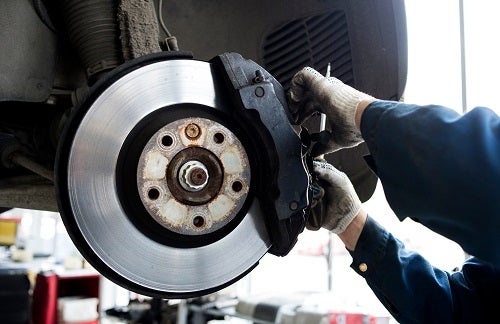
The Anatomy of a Brake System
Before delving into brake care practices, it's essential to understand the key components of a brake system. These include:
- Brake Clamps:These housing units hold the brake pads in place and apply pressure to them when the brake pedal is pressed.
- Hydraulic Fluid: This brake fluid plays a crucial role in transmitting force from the brake pedal to the brake calipers, activating the brake pads.
- brake linings:These components utilize friction to convert kinetic energy into heat, which slows down the vehicle's wheels.
- Brake Discs:These rotating discs are attached to the wheels and provide the surface against which the brake pads press, creating friction.
The Significance of Brake Care and Maintenance
Neglecting brake care and maintenance can cause serious problems. Firstly, it can make your brakes less effective, meaning it takes longer to stop your car safely.
Secondly, if your brakes start making strange noises or vibrations, it's a sign they need attention right away to avoid bigger issues.
Skipping brake maintenance can wear out parts faster, leading to costly repairs sooner than expected.
Lastly, ignoring brake problems could eventually lead to brake failure, which is very dangerous. Regular maintenance keeps your brakes working well and keeps you safe on the road.
Essential Brake Care Practices
To keep your brakes in top shape and ensure safety on the road, follow these essential tips:
- Regular Inspections:: Schedule routine check-ups with our technicians to catch any brake issues early. They'll assess your brake system's condition and make timely repairs.
- Monitor Brake Fluid: Check your brake fluid regularly to ensure it's at the right level. Low fluid could mean leaks or worn-out parts that need fixing.
- Listen for Signs: Pay attention to any unusual noises or vibrations when you brake. These could indicate brake problems that require immediate attention.
- Smooth Braking: Practice gentle braking to reduce wear on your brakes and make them last longer. Avoid sudden stops whenever possible.
- Adapt to Conditions: Adjust your driving in different conditions. Slow down and increase your stopping distance on wet or slippery roads for better control.
Maintaining Brake Performance: A Proactive Approach
Ensuring your brakes are reliable and safe requires proactive upkeep. Here are the essential steps:
- Maintaining Brake Fluid:Replace your brake fluid every two years or 30,000 miles. This helps uphold good brake performance and prevents corrosion in the brake system.
- Inspecting and Renewing Brake Rotors:Regularly examine your brake rotors for wear and damage. Replace them if they're worn out or damaged to maintain effective braking.
- Addressing Brake System Leaks:If you notice any brake fluid leaks, address them promptly. Leaks can impact brake performance and safety.
- Replacing Brake Pads: Brake pads wear down over time due to friction. Plan to change them every 30,000 to 50,000 miles, depending on your driving habits and conditions.
BRAKES – THE FOUNDATION OF SAFETY
Your vehicle's brakes are essential for your safety on the road.By prioritizing brake care and maintenance, you can maintain peak performance, extend the life of your brake parts, and protect your vehicle's reliability. Regular inspections and proactive upkeep are key to keeping your brakes in excellent condition, ensuring a smooth and worry-free driving experience.